Dementia Neuroscience LabDementia Neuroscience LabToward a world without dementia

Research

We work toward a world without dementia by connecting quantitative neuroscience to real-world dementia care. Current work includes OASIS-3 secondary analyses integrating PET and psychometrics, multicenter stroke lesion segmentation supporting voxel-based lesion–symptom mapping, physician-scored evaluation of clinical AI (BooksMed/ExpertMedQA), and the Express Dementia Care (EDCC) implementation pilot focused on workflow, readiness, and equity.

Selected evidence

Translational studies with methods you can inspect

Each highlight links to a manuscript, preprint, or abstract so collaborators can evaluate methods and results.

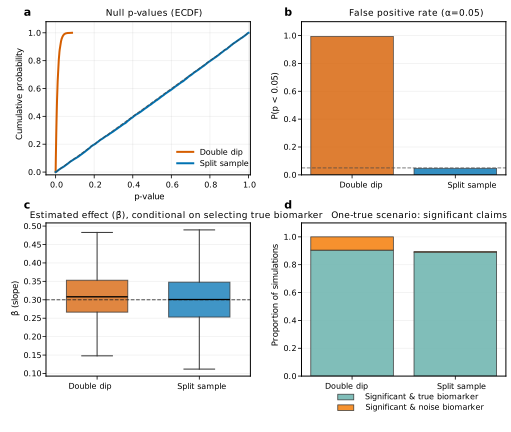
Avoiding circularity in enriched Alzheimer biomarker designs

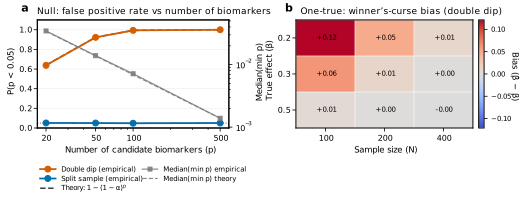
99.4% → 4.7%

Simulated false-positive risk under the null (reuse vs confirmation)

Avoiding circularity in enriched Alzheimer biomarker designs

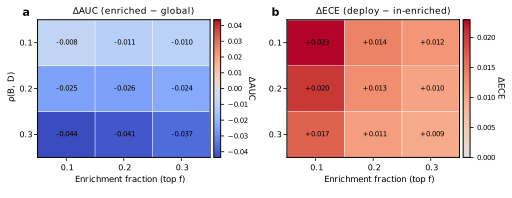
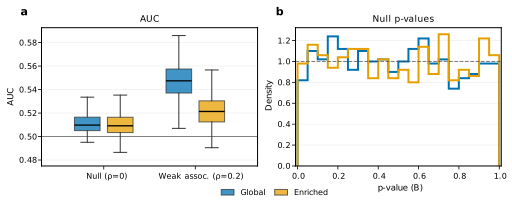
Methods preprint on two common failure modes in biomarker trials and trial-ready cohorts: estimand drift from enrichment/range restriction and selection–inference reuse (“double dipping”). Includes an audit of 72 studies (10/72 with possible/definite non-independence) plus mechanistic simulations, with practical safeguards for design and reporting.
Read the preprint
Distributed biomarkers anticipate dementia trajectories

1,098

OASIS-3 longitudinal records analyzed

Distributed biomarkers anticipate dementia trajectories

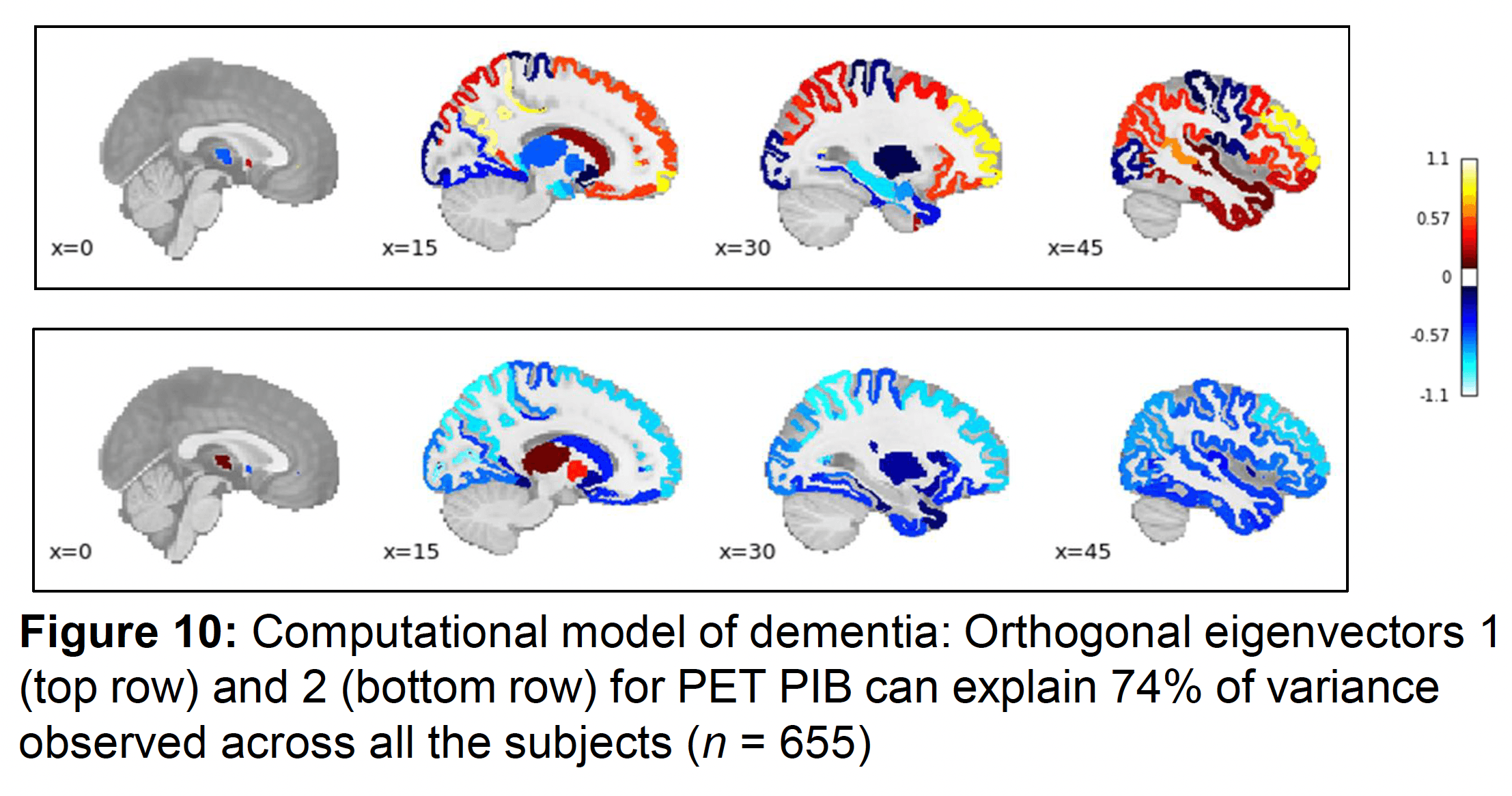
Secondary analysis of 1,098 OASIS-3 longitudinal records integrating amyloid PET and neuropsychological testing to model continuous dementia severity and cognitive decline—supporting more precise phenotyping and earlier detection (AUC > 0.90 in secondary analysis).

View biomarker work
Physician-scored benchmark for expert clinical reasoning

21 / 7

Physicians / countries in validation cohort

Physician-scored benchmark for expert clinical reasoning

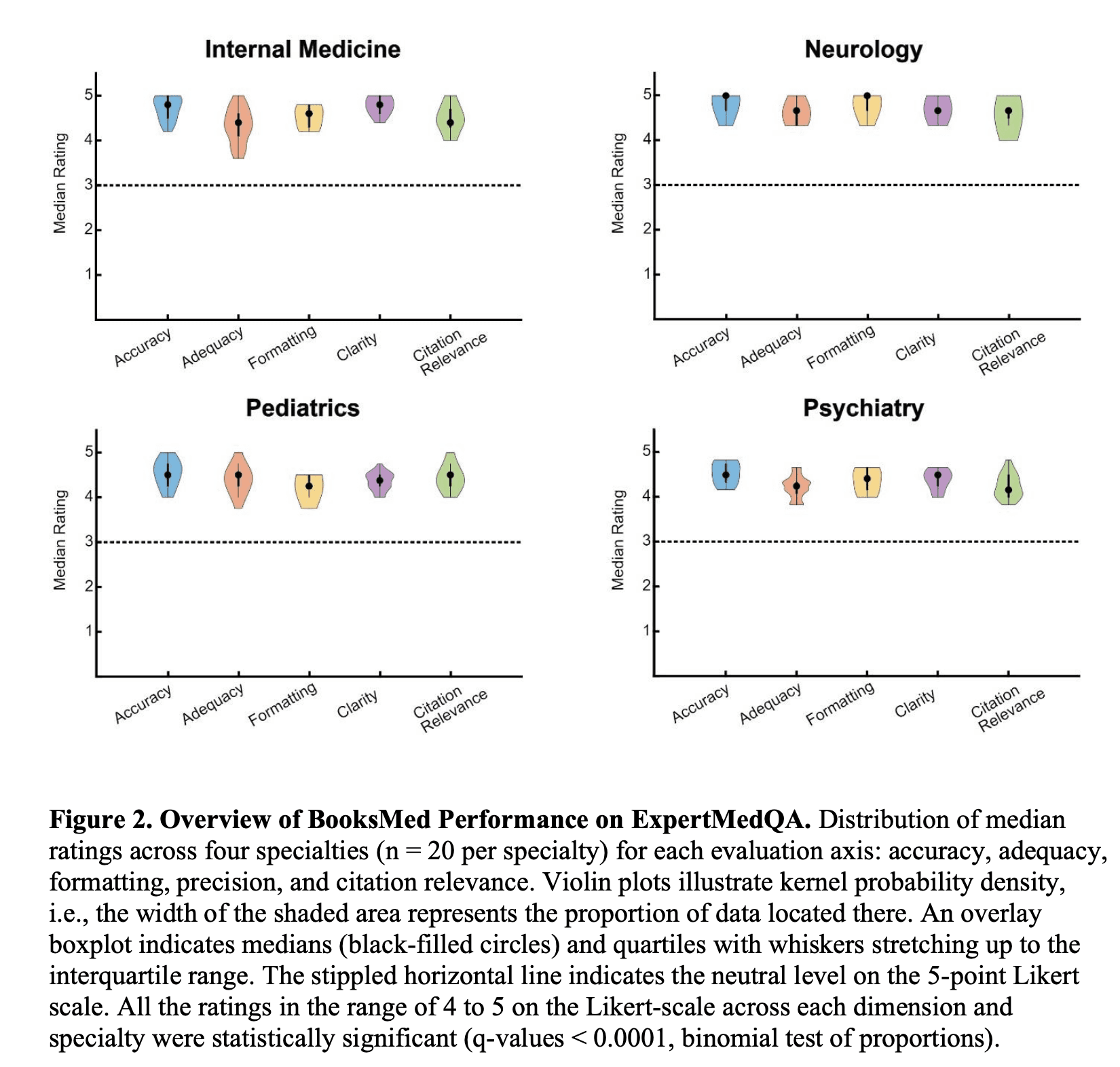
Twenty-one physicians across seven countries evaluated expert neurology scenarios to test whether clinical AI can be trusted in high-stakes reasoning; BooksMed/ExpertMedQA achieved state-of-the-art accuracy compared with Med-PaLM 2, Almanac, and GPT-4.

Read the AI preprint
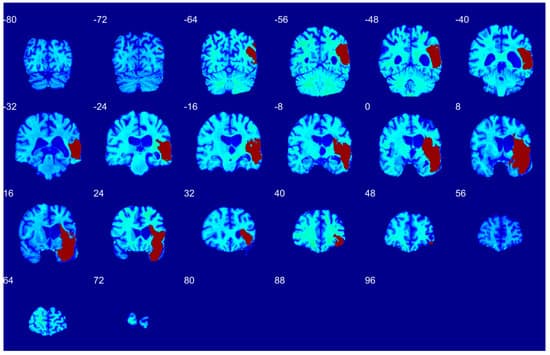
Open-source stroke lesion segmentation for VLSM at scale

Diagnostics 2022

Multicenter validated model

Open-source stroke lesion segmentation for VLSM at scale

Peer-reviewed multicenter lesion segmentation enabling reproducible quantitative imaging and scalable voxel-based lesion–symptom mapping workflows.

Read the Diagnostics paper
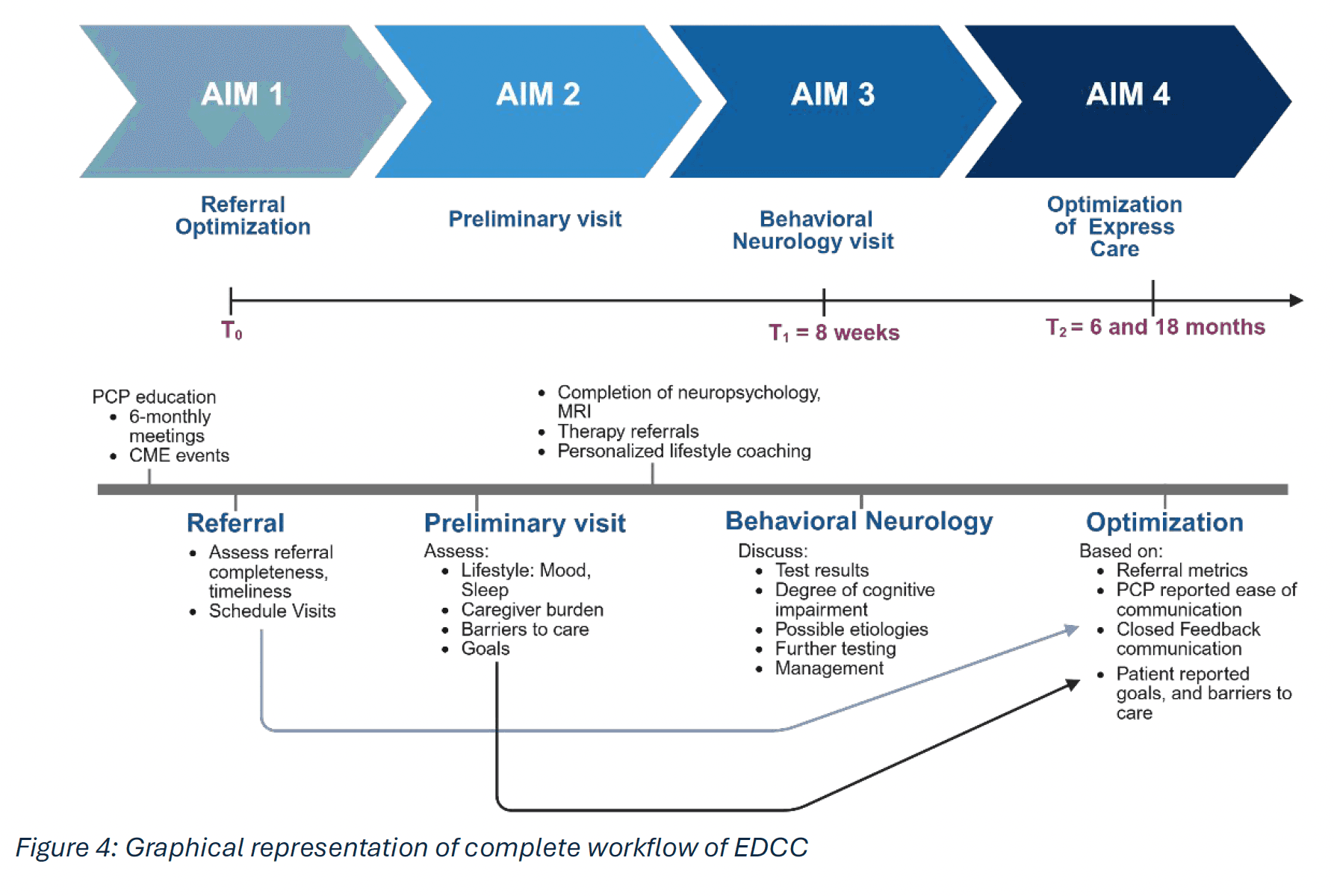
Express Dementia Care (EDCC) for equitable, scalable dementia care

EDCC

Implementation pilot

Express Dementia Care (EDCC) for equitable, scalable dementia care

EDCC implementation pilot integrates triage workflows, caregiver navigation, and anti-amyloid readiness/equity measurement—designed to extend evidence-based dementia care beyond major centers.

Explore EDCC

Integrated Biomarkers

Psychometrics, PET, and Cortical Biomarkers

Longitudinal, multimodal modeling of secondary datasets (e.g., OASIS-3) integrating amyloid PET, structural MRI, and psychometrics to quantify continuous dementia severity and trajectories across distributed cortical and subcortical systems.

  • Psychometrics and Aβ-PET jointly stratify clinical dementia severity (AAN 2023; Neurology 100(17_supplement_2):0104).
  • Open-source, multicenter-validated stroke lesion segmentation model supports voxel-based lesion–symptom mapping (Diagnostics 12:2055, 2022).

Care Pathways

Express Dementia Care & Rural Health Equity

Closed-loop Express Dementia Care (EDCC) pathway focused on workflow design, caregiver navigation, and system-level measurement of access and readiness for disease-modifying therapies in rural East Texas.

  • EDCC operational pilot evaluates triage loops, time-to-diagnosis, and caregiver outcomes (AAN 2026 abstracts, submitted).
  • Equity analyses quantify infusion-readiness gaps and care barriers for anti-amyloid therapies.

Systems & AI

Systems Neuroscience, AI & Decision Support

Combining primate systems neuroscience with clinically grounded AI, spanning lesion–symptom mapping, physician-scored benchmarks (ExpertMedQA), and BooksMed decision support.

  • International consortium of 21 physicians across 7 countries validated ExpertMedQA / BooksMed (AAN 2024; Neurology 102(7_supplement_1):3830).
  • Inverse-graphics and optogenetic systems neuroscience studies (PNAS 2025; eLife 2022) inform algorithm design for clinical AI.

Related publications